Bee Stings and Insect Bites in Dogs and Cats - First AID

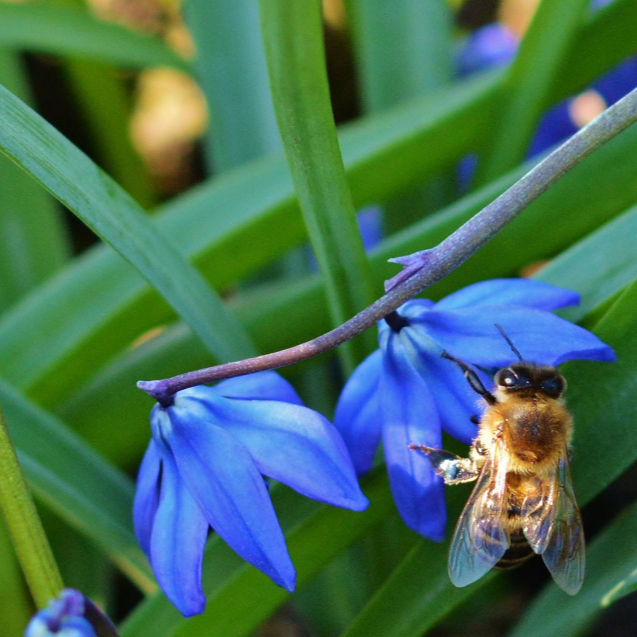
First Aid Advice for Pets Stung or Bitten by Insects
Bee stings and insect bites are common in dogs and cats, especially during warmer months or when pets spend time outdoors. Most stings and bites cause local irritation such as swelling, redness, and itching.
However, some pets can develop a much more serious reaction. In some cases, a sting or bite may trigger an allergic reaction that causes facial swelling, vomiting, difficulty breathing, or even collapse. If this happens, your pet needs urgent veterinary attention.
What Reactions Can Bee Stings and Insect Bites Cause?
Mild Irritation to Severe Allergic Reactions
Many pets stung by a bee or bitten by an insect will develop only mild symptoms such as:
redness
swelling
itching
discomfort at the site
But some pets may have a more serious reaction, including:
hives
facial swelling
vomiting
trouble breathing
collapse
Some spider bites may also cause severe skin damage and tissue death, which may require more extensive treatment.
What to Do First
Stay Calm and Check the Area
If your pet has been stung or bitten, the first step is to stay calm and look closely at the area.
If you can see a stinger, remove it as quickly as possible. The article recommends scraping it out with a credit card or other stiff object. Tweezers can also be used by grasping the stinger below the venom sac. The most important thing is to remove it quickly.
Apply Cool Compresses
Help Reduce Swelling and Discomfort
Once the stinger is removed, apply a cool compress to the area.
Cool compresses can help reduce swelling and discomfort and may be applied three to four times daily for three to four days.
A Baking Soda Paste May Help
For Bee Sting Irritation
To help neutralise some of the acidic venom from a bee sting, VIN recommends applying a paste of baking soda and water to the area.
This can be a useful first aid step for local sting irritation.
Stop Your Pet From Licking the Area
Prevent More Trauma
Licking or rubbing the sting area can make swelling and irritation worse.
If needed, use an Elizabethan collar (cone) to stop your pet from licking, scratching, or rubbing the area.
This is especially important if the sting is on the face or near the eyes.
Be Extra Careful With Flat-Faced Breeds
Facial Swelling Can Be More Serious
Short-faced breeds such as pugs and boxers may be at greater risk if they are stung on the face because swelling can affect the eyes and surrounding tissues. VIN specifically recommends veterinary examination for brachycephalic pets with facial swelling and preventing rubbing on furniture or carpet.
What Not to Do
Do Not Give Medications Without Veterinary Advice
Do not give medications unless you have been specifically advised to do so by your veterinarian or a veterinary emergency hospital. We advise against administering medications before speaking with a veterinarian, because your pet may need to be examined first.
When Is It an Emergency?
Signs Your Pet Needs Immediate Veterinary Care
You should contact a veterinarian right away if your pet develops:
facial swelling
hives
vomiting
difficulty breathing
collapse
severe weakness
These can be signs of a serious allergic reaction and may require emergency treatment.
Bee Stings and Insect Bites in Kalamunda
When Your Pet Needs Veterinary Attention
If your dog or cat has been stung or bitten and is showing swelling, pain, vomiting, or any signs of an allergic reaction, the team at Hilltop Veterinary Hospital in Kalamunda can assess your pet and recommend the safest next steps.
Fast treatment is especially important if breathing difficulty or collapse occurs.
Concerned About a Sting or Bite?
We Can Help
If your pet has been stung by a bee or bitten by an insect and you are unsure how serious it is, book a consultation with Hilltop Veterinary Hospital or seek urgent care if your pet is showing signs of an allergic reaction.
Explore More Pet Health Advice
Read More First Aid Articles
For more practical veterinary guidance, explore our Pet Health Advice library.
You can also browse our First Aid articles for more information on wounds, swelling, emergencies, and what to do before you reach the vet.
The information provided in this article is intended for general educational purposes only and should not replace professional veterinary advice. Every pet’s medical situation is unique. If your pet has been stung or bitten and is showing swelling, vomiting, breathing difficulty, or collapse, please seek veterinary care promptly.


